
Choosing a Cot Bed for Your Baby: The Ultimate Guide
When it comes to getting ready for a new arrival, choosing the right cot bed is one of the most essential choices parents make. A cot bed is not simply a place for your baby to sleep; it's a space where they will create many memories as they grow. Comprehending the various types of cot beds, their functions, and how to make an educated choice can assist brand-new parents navigate through the myriad of options available. This guide provides a summary of cot beds, their advantages, and key factors to think about, in addition to a detailed FAQ area.
What is a Cot Bed?
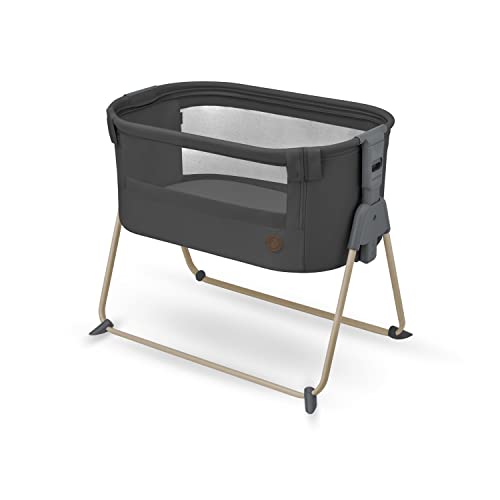
A cot bed is a baby bed that is larger than a standard crib and developed to accommodate young children as well as newborns. Generally, cot beds can be transformed from a Best crib for newborn-like position to a toddler bed by getting rid of one side of the cot. This adaptability makes them a popular choice among moms and dads who value durability and practicality.
Secret Features of Cot Beds
| Function | Description |
|---|---|
| Size | Cot beds often determine around 140 cm x 70 cm, which resembles a basic cot but provides more space. |
| Conversion | Lots of cot beds can convert into toddler beds, using a longer lifespan for the furniture. |
| Mattress Compatibility | The majority of cot beds require a particular size and type of bed mattress, so inspecting compatibility is important. |
| Safety Standards | Cot beds undergo strenuous safety screening to fulfill safety regulations, offering peace of mind for moms and dads. |
| Adjustable Height | Lots of cot beds have adjustable bed mattress heights, permitting easy access to the baby as they grow. |
| Design and Material | Offered in different designs and materials to match any nursery decoration, consisting of wood, metal, and environmentally friendly options. |
Advantages of Using a Cot Bed
- Durability: Cot beds can be utilized from birth up till around 5 years old, making them a long-lasting financial investment.
- Versatility: The ability to convert to a toddler bed means that moms and dads won't need to buy extra furniture as their kid grows.
- Safety and Comfort: Cot beds are created with security features such as rounded edges and non-toxic surfaces, guaranteeing a safe sleeping environment for your child.
- Tough Construction: Cot beds are built to be more long lasting and steady than standard cribs, holding up under active toddlers.
- Space Economy: A cot bed can fit into smaller sized areas while providing more sleeping area than a traditional crib.
Factors to Consider When Choosing a Cot Bed
Safety Standards: Ensure that the cot bed satisfies the newest security requirements in your region, such as the UK's BS EN 716 or the United States Consumer Product Safety Commission standards.
Material and Finish: Opt for non-toxic, hypoallergenic surfaces to make sure a safe sleeping environment. Common products consist of solid wood, MDF, and metal.
Budget plan: Prices of cot beds can vary extensively. Set a budget that accommodates your requirements while still thinking about toughness and safety.
Convertibility: Decide if you desire a cot bed that can convert to a toddler bed or if a standard cot will be sufficient for your requirements.
Track record of the Brand: Research brand names and read reviews to guarantee they have a great credibility regarding security and durability.
Storage Solutions: Some cot beds feature extra storage options, which can be practical in keeping the nursery organized.
Design and Aesthetic: Consider the general look of the cot bed and how it fits with your nursery's style.
Table: Comparison of Cot Bed Types
| Cot Bed Type | Pros | Cons |
|---|---|---|
| Convertible Cot Bed | Grows with kid; flexible | Can be more pricey; size varies |
| Traditional Cot Bed | Frequently cheaper; basic style | Restricted life expectancy (usually approximately 3 years) |
| Eco-Friendly Cot Bed | Made from sustainable products; safe | May be costlier; fewer design alternatives |
| Travel Cot Bed | Portable; simple to save | Less durable; may not transform to toddler bed |
Regularly Asked Questions (FAQ)
1. When should I shift my baby from a cot bed to a toddler bed?
A lot of kids are ready to transition around the age of 2 to 3 years, but it differs based on the child's development. Key indications consist of climbing up out of the cot bed or general restlessness.
2. What kind of bed mattress should I use for my cot bed?
Select a firm, breathable bed mattress that fits snugly within the cot bed frame. Avoid utilizing soft bed mattress or bed linen, which can present a suffocation danger.
3. How often should I alter the bed mattress?
It is recommended to replace the mattress every 3-5 years or when it shows indications of wear. An uncomfortable mattress can affect your baby's sleep quality.
4. Is it safe for my baby to oversleep a cot bed without bumpers?
Yes, it is normally more secure to avoid utilizing cot bed bumpers, as they can pose a danger of suffocation. Rather, think about utilizing a fitted sheet.
5. How should I care for my cot bed?
Tidy the cot bed with a moist cloth and moderate soap. Avoid severe chemicals. For wood cot beds, periodic polishing might help preserve the surface area.
Selecting the right cot bed is crucial for your baby's convenience and safety. By comprehending the features, benefits, and various alternatives available, moms and dads can make an educated decision that provides convenience for their children and comfort on their own. Whether choosing for a convertible style or a traditional style, purchasing a quality cot bed can provide a nurturing environment for many years to come. As you start this gorgeous journey of parenthood, consider all the aspects talked about to make an informed option for your kid's sleep space.